Trusted Duck Duck Goose Wildlife Control for Outdoor Areas
Trusted Duck Duck Goose Wildlife Control for Outdoor Areas
Blog Article
Reliable Wildlife Control: Defend Your Home and Land
Quality wildlife control is vital for residents facing significant threats from pest invasions. These intrusions can lead to considerable property harm and medical risks. Recognizing the critical importance of managing animal concerns is vital. Comprehending the signs and realizing when to seek expert assistance can prove decisive. But what are the most common wildlife invaders, and how can one effectively protect against them? The findings may surprise you.
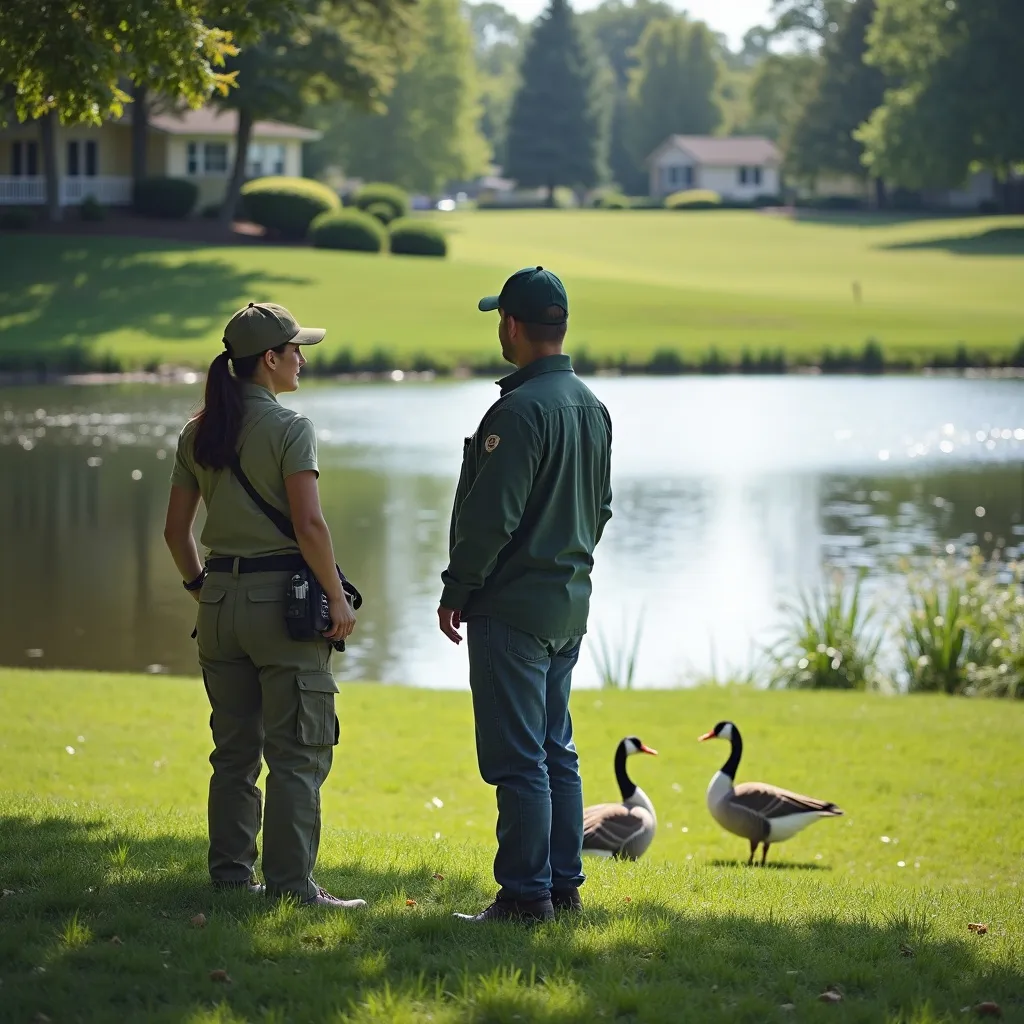
The Necessity of Acting Quickly to Animal Encroachments
Wildlife intrusions can rapidly intensify, resulting in substantial damage and health risks. When animals invade residential areas, they can compromise structural integrity, nibble through wiring, and spoil food sources. Furthermore, the presence of wildlife can carry diseases, creating serious health threats to both humans and pets. Quick action is vital to address these risks and prevent further complications.
Failing to address the matter may produce costly maintenance and substantial restoration work. Additionally, some organisms are capable of reproduce rapidly, expanding their numbers and worsening the problem. Prompt action not only protects property but also ensures a more secure habitat.
Engaging expert wildlife control can provide practical remedies tailored to distinct wildlife issues. Quick response is necessary to restore peace of mind and protect residences from the unpredictable character of animal invasions. Ultimately, quick action plans can substantially lower the risk of permanent harm and health hazards linked to these incursions.
Signs That You Have a Animal Problem
How can one tell if an animal issue is present in the surrounding area? Numerous indicators can suggest the arrival of unwelcome animals. Property owners may hear unusual sounds, like clawing or scurrying sounds, particularly during the night. Moreover, feces or tracks may appear around the home, revealing the kind of wildlife involved. Damage to insulation, electrical lines, or woodwork can also suggest an invasion, as several animals search for shelter in upper spaces or crawl spaces.
Yet another clue includes masticated food wrapping or tipped garbage, indicating scavenging behavior. Likewise, holes or burrows positioned the base may suggest access points for critters. Unexplained odor, often linked to nesting or refuse, can be a notable red flag. Identifying these markers without delay is paramount for effective management and prevention, guaranteeing that homeowners can intervene in due time before the situation escalates.
Leading Advantages of Specialized Wildlife Removal Solutions
Hiring professional wildlife removal services delivers numerous benefits for homeowners dealing with unwanted animal intrusions. First and foremost, experts offer specialized knowledge and expertise, guaranteeing secure and efficient removal of wildlife without causing harm to the animals or the property. These professionals employ advanced techniques and tools, which can tackle complex situations that homeowners might not be prepared to handle.
In addition, professional services commonly present meticulous assessments to locate conceivable access openings, facilitating prevention of future infestations. This proactive approach not only mitigates immediate concerns but also secures the home in the long run. Furthermore, many animal exclusion services feature guarantees or warranties, bestowing homeowners mental ease and confidence.
Lastly, turning to specialists reduces the threat of damage from wildlife encounters, providing a safer space for loved ones and pets. Overall, investing in specialized removal services can save time, stress, and likely home deterioration.
Identifying Common Wildlife Intruders in Your House
Homeowners often face various types of wildlife that can invade their living spaces, each presenting distinct problems. Common intruders consist of raccoons, squirrels, and rodents, which can wreak havoc if not addressed promptly. Raccoons are notorious for pillaging attics and basements, attracted by food sources or shelter. Squirrels often nest in roofs or eaves, creating possible harm to the structure. Rodents, such as mice and rats, can penetrate homes in pursuit of food, leaving behind droppings and contaminating living areas.
In addition, winged animals may gain access through open vents or chimneys, introducing commotion and disorder. Each type presents specific risks, involving pathogen spread and home deterioration. Detecting the signs of these intrusions—such as excrement, nest building supplies, or scratching noises—can help homeowners commence speedy intervention. Prompt detection is critical in stopping further complications and maintaining a sound and well living environment.
DIY vs. Professional: Which Is Superior?
When considering animal removal, parties often balance the positives of self-directed solutions against paid expertise. Cost, protection, and long-term effectiveness are major considerations determining this conclusion. Recognizing these aspects can help homeowners arrive at an informed choice that best fulfills their wants.
Cost Factors For Extraction
Choosing between DIY wildlife removal and retaining a professional can significantly impact both duration and expenses. Self-managed strategies often seem budget-conscious, as they typically involve minimal upfront expenses, such as buying traps or repellents. Yet, concealed expenses may occur from possible destruction or recurrent invasions. On the other hand, professional services tend to have a higher initial fee but provide skill, promptness, and assured outcomes. Professionals have the required equipment and expertise to handle a range of animals carefully and efficiently, potentially helping homeowners avoid costly errors. Ultimately, the decision rests on individual circumstances, including budget, urgency, and the complexity of the wildlife issue at hand. Weighing these factors can lead to a more informed decision.
Protection and Health Perils
Engaging in animal control poses considerable dangers to safety and health, particularly when individuals choose to do it themselves. Untrained individuals may encounter hostile wildlife, leading to potential bites or injuries. Additionally, many wildlife species carry diseases such as rabies, hantavirus, or leptospirosis, posing major health hazards to those not ready to deal with them. Improper handling can also result in exposure to parasites like fleas and ticks, increasing health risks. Conversely, professional animal control experts are equipped with the necessary skills, equipment, and expertise to mitigate these risks effectively. They follow standard safety procedures, ensuring both the well-being of animals and people. Overall, the expertise of professionals reduces the likelihood of accidents and health complications associated with wildlife removal.
Ongoing Efficiency Influences
The enduring success of pest control methods depends upon various factors, particularly when contrasting DIY approaches with professional services. DIY techniques frequently lack the expertise and tools necessary for thorough removal and prevention, resulting in repeated pest problems. Property owners might unintentionally miss access areas or fail to recognize the signs of a larger problem. By contrast, professionals possess advanced expertise and knowledge, enabling them to recognize and resolve issues more effectively. They also implement preventive measures to minimize upcoming dangers. Cost considerations may push people to DIY solutions, but investing in professional services can yield better long-term results. In the end, the decision between DIY and professional assistance should be determined by the complexity of the wildlife problem and the homeowner's commitment to funding a lasting remedy.
Reliable Approaches for Preventing Wildlife Intrusions
Implementing effective strategies to stop animal invasions is crucial for maintaining a safe and peaceful environment. Homeowners should begin by securing potential access areas. This includes closing openings in foundations, walls, and roofs, as well as installing screens on vents and chimneys. Additionally, eliminating food supplies is important; securely storing garbage and removing pet food can deter animals from approaching.
Landscaping holds an important significance. Keeping trees trimmed and preserving a clean yard minimizes spots where wildlife can hide. Furthermore, using natural deterrents, including motion-sensing lights or sound emitters, can effectively discourage animals from coming onto the property.
Periodic evaluations of the home and surrounding environment allow for the early identification of possible concerns. To conclude, informing household members about animal conduct fosters awareness, permitting proactive steps to be executed. By embracing these strategies, property owners can greatly reduce the risk of undesired wildlife intrusions.
What Happens During a Wildlife Removal Service?
During a wildlife removal service, professionals begin with a exhaustive initial survey to identify the extent of the difficulty. Following the analysis, humane trapping methods are implemented to securely catch the animals. Finally, post-removal prevention steps guarantee that prospective incursions are decreased, protecting the property from supplementary animal troubles.
Beginning Assessment Process
Wildlife removal programs begin by conducting a thorough examination of the property to spot evidence of pest infestation and likely entry passages. Professional professionals systematically examine both interior and exterior spaces, looking for droppings, nests, or damaged insulation that reveal the presence of animals. They evaluate the structure's integrity, examining for openings in eaves, vents, and foundations that may allow animals to get in the property. This preliminary assessment can utilize specialized tools to detect underlying concerns. The insights gathered throughout this inspection is vital to formulating a custom-made removal strategy, ensuring that the treatment addresses the specific wildlife problem in an effective manner while decreasing damage to the property and inhabitants.
Humane Trapping Techniques
Numerous animal control services focus on humane trapping methods to guarantee the safe relocation of animals. These professionals implement live traps designed to capture wildlife without injury. Normally, food is placed to attract the animal, ensuring it enters the trap. Once captured, the animal is monitored to reduce anxiety and discomfort.
After securing the creature, the organization assesses its health and behavior before release. This process regularly involves transporting the animal to a designated area far from human habitation, ensuring it is able to flourish in a proper environment. Throughout this process, the attention remains on the welfare of the animal, adhering to local rules and ethical standards. By opting for humane trapping, services promote a balanced coexistence between humans and wildlife.
Steps to Avoid Issues After Extraction
Once the wildlife has been successfully removed, the next paramount phase prioritizes prevention to confirm that similar issues do not arise in the future. This involves a meticulous inspection of the property to recognize potential entry points, such as spaces in roof panels, ventilation openings, or foundations. Plugging these passages with appropriate materials is imperative to ward off future wildlife. In addition, homeowners are instructed to maintain a neat habitat by removing food materials and refuse that could attract wildlife. Installing barriers, such as enclosures or screening, can further protect vulnerable areas. Periodic servicing and tracking of the property confirm that any signs of wildlife activity are managed promptly, safeguarding both home and property from subsequent invasions.
Regularly Asked Questions
What Community Regulations Affect Animal Removal Companies?
Local regulations for wildlife removal operations generally necessitate permits, following ethical treatment methods, and complying with state laws regarding specific species. These requirements guarantee the preservation of both wildlife and the community's well-being and protection.
How Might I Effectively Turn Away Wildlife in a Safe Way Without Damaging Them?
To safely deter wildlife, one can use non-lethal methods such as motion-sensor lighting, organic deterrents, and locked trash bins. Additionally, keeping areas tidy reduces attractants, prompting creatures to read now find alternative habitats.
Do Specific Periods See Higher Wildlife Encroachments?
Wildlife trespassing often peak during spring and fall. Spring delivers young animals foraging for food, while fall often sees creatures searching for warmth and shelter, increasing the likelihood of encounters with human habitats during these seasons.
How Should I Act if I Find Orphaned Wildlife?
Upon coming across parentless creatures, you should observe from a distance, refrain from direct handling, and call local wildlife authorities or rehabilitation centers for advice, guaranteeing the wildlife get appropriate professional assistance and treatment from qualified professionals.
In What Manner Can I Teach My Family About Wildlife Protection?
To educate the family about wildlife safety, one can arrange educational talks, share resources on local species, practice safe outdoor habits, and encourage appreciation of wildlife habitats, fostering awareness and responsible interactions with nature.
Report this page